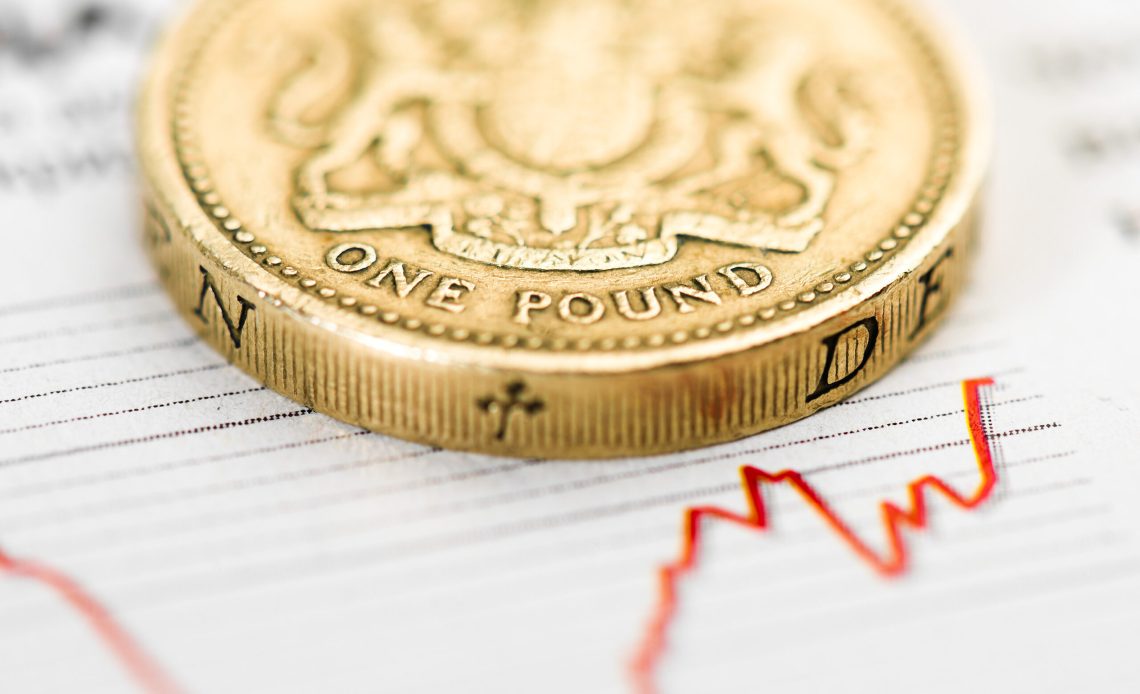
The British pound remained largely stable on Friday, returning to levels seen before the onset of the Iran war, as currency markets showed limited reaction to renewed political pressure on Prime Minister Keir Starmer.
Sterling held steady against the dollar at $1.35305, reflecting broader rangebound conditions across global currency markets.
Traders appeared to overlook calls for Starmer’s resignation, even as political tensions resurfaced following a security-related controversy involving a senior appointment.
Starmer is facing criticism despite dismissing a senior official after it emerged that Britain’s former ambassador to the United States had failed security vetting but was still appointed.
Markets downplay resignation calls
Market participants showed little concern over the political developments, suggesting that investors do not expect immediate leadership changes.
“I thought the story would be bigger for markets but Starmer has faced multiple calls to resign and seems to survive each time,” said Neil Wilson, UK investor strategist at Saxo Markets.
“There is no sense that he is about to resign on this, and a civil servant…has taken the flak instead. This may be enough for the market to assume that Starmer is safe for now,” Wilson quoted in a Reuters report.
Against the euro, the pound edged slightly lower, slipping 0.1% to 87.155.
Middle East conflict shifts rate expectations
The ongoing conflict in the Middle East has driven a surge in global energy prices, raising concerns about inflation and economic growth.
This has significantly altered market expectations around UK monetary policy.
Money markets are now pricing in at least one 25 basis point interest rate hike from the Bank of England this year.
This marks a sharp reversal from earlier expectations of two rate cuts before the conflict began.
On Thursday, Andrew Bailey told BBC News that the central bank was “not going to rush to judgements” on interest rate changes.
The pound declined 1.9% in March as the Middle East conflict unsettled markets.
The closure of the Strait of Hormuz, a key route for global energy supplies, added further pressure on the UK’s economic outlook.
Data and sentiment offer support
Despite these challenges, sterling has shown resilience.
It is currently on track for its strongest monthly performance in a year, rising 2.6% in April so far, as investors increasingly anticipate a potential resolution to the conflict.
Additional support came from stronger-than-expected economic data.
The latest GDP figures released by the UK Office for National Statistics exceeded economists’ forecasts, helping to bolster confidence in the British economy.
Meanwhile, Britain also faced the sharpest downgrade in growth forecasts among major advanced economies by the International Monetary Fund earlier this week.
Finance minister Rachel Reeves criticised United States strategy in the conflict, calling it “folly.”
Mixed signals from corporate sectors
Corporate updates painted a mixed picture across sectors.
In the consumer space, Tesco said its profit outlook remains uncertain due to ongoing tensions in the Middle East, although its shares still rose.
Healthcare stocks provided some support to the broader market.
Overall, while geopolitical risks and political uncertainty persist, the pound appears to be stabilising as markets focus more on monetary policy signals and economic data rather than domestic political developments.
The post Pound steadies near pre-war levels despite UK political pressure appeared first on Invezz